
Concert films, music documentaries and unforgettable stories powered by incredible soundtracks. Turn it up.

Step back into the fantastical world of Jim Henson’s Labyrinth as the beloved classic returns to cinemas for a special 40th-anniversary re-release. Starring David Bowie in one of his most entertaining film performances as the enigmatic Goblin King, this 4K re-issue brings Jim Henson’s dazzling puppetry, imaginative landscapes, and iconic musical moments back to the big screen where they belong. Join the adventure as Sarah (Jennifer Connelly) races against time to navigate the mysterious Labyrinth and rescue her baby brother in this spellbinding cult favourite.
-
Sunday 15th NovemberBook 12:15 pm4K

Sebastian (Ryan Gosling) and Mia (Emma Stone) are drawn together by their common desire to do what they love. But as success mounts they are faced with decisions that begin to fray the fragile fabric of their love affair, and the dreams they worked so hard to maintain in each other threaten to rip them apart.
-
Friday 20th NovemberBook 8:30 pm
-
Monday 1st FebruaryBook 8:50 pm

Seventeen years after joining forces as the backing band for rockabilly cult hero Ronnie Hawkins, Canadian roots rockers The Band call it quits with a lavish farewell show at San Francisco's Winterland Ballroom on Nov. 25, 1976. Filmed by Martin Scorsese, this documentary features standout performances by rock legends such as Bob Dylan, Neil Young, Van Morrison, Eric Clapton, Joni Mitchell and Muddy Waters, as well as interviews tracing the group's history and discussing road life.
-
Thursday 26th NovemberSold Out 6:00 pm4K
-
Saturday 23rd JanuaryBook 5:50 pm4K

Stop Making Sense stars core band members David Byrne, Tina Weymouth, Chris Frantz, and Jerry Harrison along with Bernie Worrell, Alex Weir, Steve Scales, Lynn Mabry and Edna Holt. The live performance was shot over the course of three nights at Hollywood's Pantages Theater in December of 1983 and features Talking Heads' most memorable songs.
-
Saturday 28th NovemberBook 8:45 pm4K
-
Friday 29th JanuaryBook 6:00 pm4K

An angelically beautiful Catherine Deneuve was launched to stardom by this dazzling musical heart-tugger from Jacques Demy. She plays an umbrella-shop owner’s delicate daughter, glowing with first love for a handsome garage mechanic, played by Nino Castelnuovo. When the boy is shipped off to fight in Algeria, the two lovers must grow up quickly. Exquisitely designed in a kaleidoscope of colors, and told entirely through the lilting songs of the great composer Michel Legrand, The Umbrellas of Cherbourg is one of the most revered and unorthodox movie musicals of all time.
-
Sunday 29th NovemberBook 8:35 pm
-
Thursday 4th FebruaryBook 12:00 pm

In the year before the 1904 St Louis World's Fair, the four Smith daughters, who are attached to their ways of life, reluctantly prepare to move to New York when their father gets a transfer.
-
Thursday 10th DecemberBook 2:45 pm
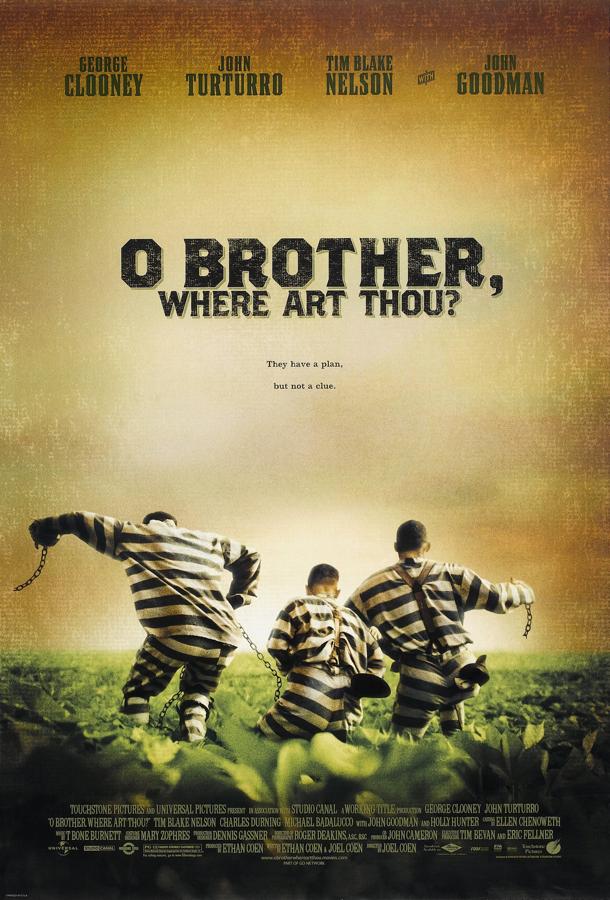
After escaping prison, Ulysses, Delmar and Pete embark on a journey to find a hidden treasure. As lawmen pursue them, a new companion and a brush with antisocial elements turn their lives around.
-
Saturday 2nd JanuaryBook 2:30 pm

In 1964 the biggest band on the planet made their big screen debut with A Hard Day s Night, a groundbreaking film that presented a typical day in the life of The Fab Four as they tried to outrun screaming fans, find Paul's mischievous grandfather, deal with a stressed TV producer and make it to the show on time. Directed with unrelenting verve by Richard Lester, whose innovative techniques paved the way for generations of music videos, the film's frenetic mix of comic escapades, legendary one-liners and pop perfection captured a moment in time that defined a generation. The most iconic band in music history had arrived.
-
Sunday 3rd JanuaryBook 6:15 pm

It is another time - Another Place - where the 1950s is mixed with the 1980s. In a city where it is always nighttime, during a concert performing live before a crowd of her fans, rock 'n' roll singer Ellen Aim is kidnapped by motorcyclist Raven Shaddock and his biker gang "The Bombers" on stage. Billy Fish, Ellen's manager, hires Ellen's ex-boyfriend and mercenary Tom Cody, who has arrived in town to visit his sister Reva, to rescue Ellen from the Bomber's nightclub, where they are holding her captive for their own amusement.
-
Monday 4th JanuaryBook 6:15 pm

Created to commemorate the 20 years that have passed since DC-based post-hardcore band Fugazi’s last live appearance (November 4, 2002, at The Forum in London), We Are Fugazi from Washington, D.C. is a 96-minute movie comprising crowd sourced, fan recorded live shows and rare archive footage of Fugazi curated by Joe Gross, Joseph Pattisall and Jeff Krulik.
Explicitly billed as a nondocumentary (tHISiSNOTaFUGAZIdOCUMENTARY,) the film pays tribute to Fugazi’s prowess as a live act — for old fans to remember and for a new generation to discover what they missed. This unique archival assemblage celebrates the fans and their cameras, as much as the band itself — a collision/ collusion of the ephemeral moment on stage, and the moments captured on camera.
-
Saturday 16th JanuaryBook 5:30 pm

Shot on 16mm with sync sound in dive clubs, cheap apartments and in Hollywood's shadows at the dawn of the 1980s, The Decline of Western Civilization turns an insider's jaundiced eye on Southern California's early punk scene. Interviewing a wide array of experts – teenagers at rock shows, musicians, club owners, music critics – Spheeris penetrates the aggressive, irreverent punk scene and attitude, revealing layers of the underground heretofore unseen by a mainstream audience. For the benefit of the uninitiated, some songs are subtitled and even slam dancing is more-or-less "explained." Focusing on live performance by such bands as Black Flag, X, Circle Jerks, Fear, and the Germs, and including rare footage of gay punk icon Darby Crash, the documentary even-handedly and intimately studies multiple facets of punk culture while letting punks speak for themselves.
-
Monday 18th JanuaryBook 6:00 pm

Penelope Spheeris delves into the clubs and bars of late 80's Hollywood to reveal the absurd heights (or lows?) of rockstar debauchery in Part II of her Decline of Western Civilization trilogy. The Metal Years finds marquee hard rockers such as Ozzy Osbourne, Lemmy Kilmister and Kiss's Gene Simmons and Paul Stanley sharing the screen with such aspiring acts as Odin, London and Lizzy Borden. Interviewing her subjects with disarming candor, Spheeris documents the booze-fueled braggadocio and lurid theatrics of musicians blinkered by their aspirations to achieve platinum-certified immortality. Throughout her 30-year directing career, Spheeris has worked in both studio pictures (such as the smash hit Wayne's World) and independent productions. The Decline trilogy, which began in 1981 when Spheeris filmed Los Angeles' punk scene, remains an indelible landmark of American cinema.
-
Monday 1st FebruaryBook 5:45 pm

After a detour into the high heady heyday of Sunset Strip hair metal in the second film of her essential social history of rock 'n' roll in southern California, Spheeris returned to the hardcore punk roots of her first Decline, embedding herself among various groups of gutter punks, ranging in age from their teen to mid-twenties, communally squatting in abandoned real estate in the drabber corners of Greater Los Angeles. The surge of insurgent creative energy in the 1981 Decline has long since dissipated in Part III, leaving behind only a residue of anti-social nihilism and self-loathing—none of the bands seen performing at a Corona-area gig here can make a claim for lasting artistic significance—but Spheeris's fondness for her subjects remains, making for a surprisingly endearing group portrait of deeply damaged kids eking out something like a life in Dead End America.
-
Monday 15th FebruaryBook 6:15 pm